Don't Buy the Feathersnap Scout Bird Feeder Until You Read This Full Analysis
Category: Electronics
Introduction
The Feathersnap Scout Bird Feeder is marketed as a modern, electronics-enhanced solution for bird watchers who want more than a static feeder on the porch. Positioned between traditional feeders and connected wildlife cameras, it promises convenience, closer observation, and automated features meant to improve both the user experience and bird safety. Before investing in a device that blends mechanical feeding components with sensors, cameras, and wireless connectivity, buyers should evaluate how well those systems work together in real-world conditions.
This in-depth analysis examines key aspects buyers typically care about: build quality and materials, electronics and connectivity, power and endurance, ease of installation and maintenance, wildlife resistance, value for money, and practical trade-offs experienced during everyday use. The goal is to provide a balanced editorial assessment so readers can decide whether the Feathersnap Scout fits their needs.
Detailed Product Review and Analysis
Design and Materials
At first glance, the Feathersnap Scout appears to follow contemporary design trends for outdoor electronics: a compact form factor, clean lines, and modular components that separate the electronics from the seed reservoir. In practice, buyers care about two things in this area — how the feeder stands up to weather, and how easily it can be cleaned.
Durability depends on the materials used for the hopper, perches, and electronics housing. Feeders with UV-stabilized polycarbonate or powder-coated metal usually resist fading and cracking. The Scout's success hinges on whether its feeding surfaces and seams prevent seed moisture intrusion and whether the electronics are placed inside a robust, weatherproof enclosure with proper gaskets and drainage paths.
Electronics and Sensing
What differentiates the Scout from simple feeders is its electronic layer. Core components typically include a camera or sensor module, motion detection, onboard storage or cloud streaming, and wireless connectivity (Wi‑Fi or Bluetooth). Buyers should expect the following practical considerations:
- Image quality versus utility: High-resolution cameras sound appealing, but in bird feeder use, sharpness at close range, low-light performance, and exposure control for backlit scenes matter more than megapixel counts.
- Latency and reliability: Connectivity problems can cause missed motion events or long delays when fetching live footage. A feeder that frequently drops from the local network will frustrate users.
- Local storage options: Onboard SD storage is valuable when the network is unreliable or when users want short local archives without recurring cloud fees.
- Privacy and firmware updates: Buyers should prioritize products with clear firmware update paths. Security patches and bug fixes are essential for devices that connect to a home network.
Power and Energy Management
Powering a smart feeder outdoors presents trade-offs. Battery-only designs offer simple installation but require regular recharging, while wired or solar-augmented systems reduce maintenance at the cost of installation complexity.
In everyday use, consumers often ask: how frequently must the unit be recharged? Can a small solar panel actually sustain camera operation during winter and cloudy conditions? A practical feeder should provide realistic runtime estimates and support low-power modes (motion-triggered recording rather than continuous streaming). Without efficient power management, a feeder becomes a maintenance burden rather than an aid to bird watching.
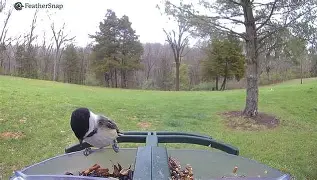
Installation and Mounting
Mounting options directly affect where the feeder can be placed. Buyers want flexibility: hanging from a branch, affixing to a pole, or mounting on a window. The Scout's mounting hardware should be secure enough to withstand wind and the force of larger birds landing, and its orientation must accommodate the camera's field of view. Quick-release mounts and clear leveling indicators make setup easier and reduce fiddly adjustments.
Seed Handling and Bird Behavior
How well a feeder dispenses seed and copes with diverse visitors (sparrows, finches, jays, starlings, even squirrels) determines satisfaction. Good seed flow mechanisms avoid jams, limit spillage, and minimize seed mildew by routing moisture away from the hopper. Perch design can influence which species visit: long perches favor larger birds while short, narrow ports allow clinging species like finches to feed comfortably.
Shop the latest Electronics picks on Amazon.
Shop Amazon →Additionally, the feeder's electronics should not disturb birds. Flashing lights, loud motors, or frequent artificial noise can deter wildlife. The devices that succeed are those that blend unobtrusively into the environment while capturing natural behavior.
Software and Mobile Experience
A companion app is often the interface for live viewing, motion alerts, and settings. Practical buyers look for intuitive setup, reliable push notifications (no false positives), adjustable sensitivity for motion detection, easy video download or sharing, and transparency about data retention policies. An app that constantly demands login reauthentications or that is cluttered with ads and upsells will reduce long-term enjoyment regardless of hardware quality.
Real-World Use Cases and Observations
Real users place feeders with cameras in several common contexts:
- Backyard bird watchers who want day-to-day behavioral footage of local species without spending hours at a blind.
- Families aiming to engage children with nature by watching feeding behaviors from a window.
- Researchers or citizen scientists collecting short clips or timestamps of visits for local surveys.
- Property owners who wish to deter nuisance animals and monitor garden health.
Across these scenarios, consistent themes emerge: reliability matters more than flashy features; low maintenance is essential for busy households; and image clarity at typical feeder ranges (1–5 meters) beats distant, cinematic framing. The Scout's real value is measured by how many of these practical needs it satisfies day after day, not by a single impressive demo clip.
Pros & Cons
- Pros:
- Integrates observation and feeding in one unit, simplifying bird-watching for casual users.
- Potential for motion-triggered captures reduces unnecessary recordings and conserves power.
- Modular construction can make cleaning and maintenance easier than all-in-one units.
- Local storage options (if present) give users control over their footage without mandatory cloud subscriptions.
- Cons:
- Electronics introduce new failure modes (water ingress, Wi‑Fi dropouts) that do not affect traditional feeders.
- Battery-dependent designs require ongoing recharging; solar assistance can be unreliable in certain climates.
- App and firmware quality varies; poor software can render the hardware frustrating.
- Price is typically higher than non-electronic feeders, and added features may have recurring costs (cloud storage, advanced analytics).
Comparison: Feathersnap Scout vs. Traditional and Competing Smart Feeders
| Feature | Feathersnap Scout (Electronic) | Traditional Hopper Feeder | Competing Smart Feeder (Generic) |
|---|---|---|---|
| Observation Capabilities | Camera/sensor-based — live view and motion capture | No observation electronics — direct viewing only | Camera-based; varies by model |
| Power Source | Battery ± solar (model dependent) | No power required | Battery, wired, or solar variants |
| Maintenance | Seed cleaning + electronics care | Seed cleaning only | Depends on design; often similar to Scout |
| Connectivity | Wi‑Fi/Bluetooth for app access | None | Wi‑Fi/Bluetooth; ecosystem-dependent |
| Cost | Higher up-front cost | Lower up-front cost | Varies; some undercut, some are premium |
| Weather Resistance | Requires good enclosure design to protect electronics | Typically robust if simple | Varies widely; check IP rating |
| Suitability for Research | Good if camera reliability is proven | Poor for automated observation | Depends on sensors and data access |
Buying Guide: How to Decide If the Feathersnap Scout Is Right
1. Assess the Primary Purpose
Buyers should clarify the main reason for the purchase. If the goal is to attract birds for passive enjoyment and low maintenance, a well-built traditional feeder may be superior. If the priority is recording behavior, capturing photos, or receiving motion alerts, an electronic feeder like the Scout becomes appealing — but only if the electronics meet expectations.
2. Evaluate Local Conditions
Consider climate and placement. Regions with heavy rain, extreme cold, or dense foliage can challenge electronics. Solar-assisted units may struggle in winter or shaded yards. Mount the feeder where it receives adequate reception and exposure, and where routine maintenance is feasible.
3. Confirm Power and Connectivity Details
Ask for clear runtime figures, battery capacity, and supported networking standards. For homes with dense Wi‑Fi congestion, check whether the feeder supports 2.4 GHz networks (still common in IoT devices). If the product lacks local storage, verify cloud pricing and retention policies to avoid surprises.
4. Inspect Weatherproofing and Materials
Look for IP ratings and construction notes indicating gasketed joins and drainage features. Removable electronics modules are preferable; they allow seed parts to be cleaned without exposing the camera or circuitry to water.
Shop the latest Electronics picks on Amazon.
See Deals →5. Review the App and Update Policy
Strong software support separates successful smart feeders from disappointing ones. Confirm how the manufacturer distributes firmware updates, how often software is updated, and whether the device supports manual updates via USB or an app. An active support channel and visible release notes indicate a responsible manufacturer.
6. Consider Ongoing Costs and Privacy
Some smart feeders pair with subscription services for extended cloud storage or advanced analytics. Determine whether these are optional and whether local backups are possible. Also, privacy-conscious buyers should confirm data retention, sharing policies, and whether raw footage is accessible to the owner without third-party mediation.
7. Factor in Wildlife and Human Activity
If the yard hosts squirrels, raccoons, or large birds, inquire about the feeder's physical defenses (baffles, weight-activated perches) and whether the camera can be oriented to avoid false triggers from nearby roads or trees. Consider mounting height and camera angle to minimize false positives.
8. Seek Real-World Feedback
Look for reviews from users in similar climates and use cases. Pay attention to long-term reports describing battery degradation, water ingress after storms, or app reliability across firmware updates. Short-term impressions can be misleading; longevity reports are particularly valuable.
Practical Tips for Maximizing Satisfaction
- Mount the feeder with a modest overhang or under the eaves to reduce direct rainfall exposure and extend electronics longevity.
- Use recommended seed mixes to avoid clumping and humidity-related jams; sunflower chips and hulled seeds typically flow better.
- Periodically remove electronics modules (if detachable) before deep cleaning to prevent accidental water damage.
- Set motion sensitivity conservatively to reduce notifications from wind-blown debris or insects.
- Keep a schedule for battery checks and firmware updates to maintain reliability.
Conclusion
The Feathersnap Scout Bird Feeder represents a compelling direction for backyard wildlife observation, blending feeding functionality with electronics that can bring the joy of birdwatching inside the home. However, the advantages of connected features come with practical trade-offs: increased maintenance, potential connectivity issues, and higher initial cost. For buyers who prioritize effortless, long-term feeding with minimal upkeep, a high-quality traditional feeder likely offers better value. For those whose primary objective is consistent, close-up observation and who are willing to manage power, network, and software considerations, an electronic feeder like the Scout can be rewarding — provided the implementation addresses weatherproofing, reliable app support, and sensible power management.
Ultimately, the right decision depends on real-world factors: local climate, available mount locations, appetite for occasional technical maintenance, and whether the extra features align with the intended use. Prospective purchasers should weigh these points carefully, verify specifications and warranty/support policies, and prioritize units with demonstrable, long-term reliability rather than feature lists alone.