Don't Buy Until You Read This: Oneplus Nord 5 vs Google Pixel 10 Pro Fold
Choosing a new phone today means weighing more than raw performance. Buyers compare camera quality, battery endurance, software longevity, durability and — increasingly — how a device fits into daily life: commuting, content creation, gaming, or replacing a tablet. The OnePlus Nord 5 and the Google Pixel 10 Pro Fold occupy very different places on that spectrum. One is a traditional slab phone aiming for a strong price-to-performance balance; the other is a foldable that promises a tablet-like canvas in a pocketable form factor. This article breaks down what matters in the real world, giving an actionable comparison of design, display, performance, cameras, battery, software, and value so readers can decide which device better matches their daily needs.
Quick framing: who should consider each phone
Before the details, here's a quick, practical rule of thumb:
- OnePlus Nord 5 is aimed at buyers who want flagship-style performance and fast charging without paying full flagship prices, and who prefer a familiar one-handed phone experience.
- Google Pixel 10 Pro Fold is for power users who prioritize multitasking, large-screen productivity, immersive media consumption, and an experience that blurs the line between a smartphone and a small tablet.
In-depth review: OnePlus Nord 5
Design & build
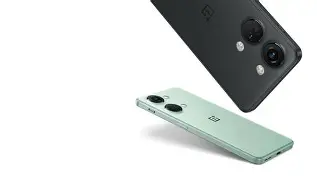
The Nord 5 continues OnePlus’s recent approach: a premium-feeling chassis without flagship-level cost. It typically offers a glass front and back with an aluminum or metallic frame, a relatively slim profile, and a flat or subtly curved display edge. For everyday use, the phone is light enough for extended one-handed operation while still substantial enough to feel durable. Color and finish options tend to skew modern and restrained.
Display
OnePlus emphasizes fast, vibrant panels. Expect a high-refresh-rate AMOLED screen with very good peak brightness and accurate color out of the box. For streaming, scrolling, and gaming, the combination of high refresh and OLED contrast yields a satisfying, fluid experience. The display is optimized for everyday visibility outdoors and comfortable for extended media viewing sessions, though the single-panel size limits multitasking compared to a foldable.

Performance
The Nord line historically punches above its weight on performance. It pairs efficient, high-performance silicon with ample RAM and tuned software, which translates to snappy day-to-day apps, smooth multitasking, and strong mobile gaming capability. Thermal management in these designs prioritizes sustained performance for long gaming sessions and heavy workloads.
Cameras
OnePlus equips the Nord 5 with a versatile camera system built around a high-resolution main sensor and supporting ultrawide and telephoto or macro sensors. In good light the phone captures sharp, contrast-rich images; in low light it leans on sensor-readout and software processing to reduce noise while preserving detail. The camera experience focuses on practical speed and consistency rather than experimental computational effects.
Battery & charging
Battery life on the Nord 5 targets a full day and often more with moderate use. OnePlus’s fast wired charging remains a standout, replenishing a large battery much faster than many competitors — a practical advantage for buyers who dislike overnight charging cycles or want quick top-ups during the day.
Software & updates
OxygenOS (or its branded variant depending on regional releases) provides a clean interface with useful gestures, customization, and performance modes. OnePlus has improved its update cadence in recent years, but buyers should verify the manufacturer’s official update commitments if long-term OS support is a priority.
Real-world use cases
- Commuters who want fast charging and strong battery life to get through long days and short charging windows.
- Mobile gamers seeking high refresh rates and consistent performance without a flagship price.
- Photographers who value reliable, day-to-day camera performance over experimental features.
In-depth review: Google Pixel 10 Pro Fold
Design & build
The Pixel 10 Pro Fold embraces foldable design principles: a large inner display with an outer cover screen. Foldables prioritize hinge engineering and materials to balance portability with a larger usable surface. Google’s design language tends to blend tactile refinement with practical ergonomics, and the Pixel Fold family focuses on minimizing the visible crease and ensuring the hinge feels durable through many open/close cycles.
Shop the latest Mobile Phones picks on Amazon.
View Offers →Display
The main advantage for the foldable is the interior display — a tablet-sized canvas for reading, multitasking, document editing, and immersive media. That larger surface changes use patterns: split-screen apps are genuinely usable, and the wider aspect ratio is better for productivity workflows and watching widescreen video. The external display is comparable to non-foldable flagships in brightness and color, allowing quick interactions without unfolding.
Performance
Google’s hardware choices for the Pixel Fold focus on balancing power and thermal efficiency in a multi-pane device. The fold often includes Google’s custom silicon and tuned software, which can deliver smooth performance across single-screen and multi-window scenarios. The added thermal constraints of a foldable are offset by optimized power delivery and scheduling for sustained tasks.
Cameras
Pixel phones are best known for computational photography. The Pixel 10 Pro Fold inherits that lineage: excellent point-and-shoot performance, strong HDR, superb night and portrait modes, and often better-than-expected results from secondary sensors thanks to software. The foldable format also unlocks unique camera workflows — using the outer screen as a viewfinder while the inner screen displays a higher-resolution preview, for example.
Battery & charging
Foldables carry larger display surfaces and multiple screens, which increases power draw. Google tunes battery capacity and software to balance endurance with performance. In practice, buyers can expect a day of typical mixed use; heavy multitaskers and continuous video playback will be the decisive factors. Charging speeds on foldables are competitive but may not match the fastest wired solutions available on traditional slabs.
Software & updates
One of Google’s strongest selling points is long-term software support and timely Android updates. Fold-specific features, multi-window optimizations, and app continuity are areas where Google invests heavily. Buyers who want a long-lasting, consistently updated device will find the Pixel fold compelling.
Real-world use cases
- Professionals who prefer a pocketable device that doubles as a small tablet for editing documents, reading PDFs, or email triage.
- Multitaskers who use split-screen workflows for messaging, maps, and media simultaneously.
- Content consumers who value a larger canvas for streaming and game streaming services.
Pros & Cons
OnePlus Nord 5
- Pros:
- Strong price-to-performance ratio
- High refresh-rate OLED display for smooth UI and gaming
- Very fast wired charging
- Comfortable one-handed use and lighter weight
- Consistent daily camera performance
- Cons:
- Less screen real estate for multitasking compared to foldables
- Software update promises may vary by region
- Not as distinctive or future-proof as foldable hardware
Google Pixel 10 Pro Fold
- Pros:
- Large inner display that can replace a small tablet
- Outstanding computational photography and software features
- Excellent long-term update support from Google
- Unique productivity workflows enabled by the foldable form factor
- Cons:
- Higher price and greater complexity than traditional phones
- Heavier and less pocket-friendly when unfolded
- Battery endurance can vary depending on use of both screens
- Repairability and accessory ecosystem are still maturing
Side-by-side comparison
| Category | OnePlus Nord 5 | Google Pixel 10 Pro Fold |
|---|---|---|
| Form Factor | Traditional slab, lighter and easier one-handed use | Foldable: pocketable outer screen, large inner tablet-like display |
| Display | High-refresh-rate AMOLED — smooth and bright for media and games | Dual displays: premium outer screen + large inner AMOLED for multitasking |
| Performance | Flagship-like performance tuned for price | Optimized for dual-screen workflows and sustained multitasking |
| Camera | Reliable hardware + solid processing for everyday photos | Advanced computational photography and versatile camera UI |
| Battery & Charging | Large battery + very fast wired charging | Balanced battery for two displays; charging competitive but not always fastest |
| Software & Updates | Clean UI with good features; update promises improving | Best-in-class updates and fold-specific software features from Google |
| Durability & Repair | Conventional glass/metal build; widely understood repairability | More complex hinge and panel; repair network expanding but still evolving |
| Value Proposition | Great value for power users on a budget | Premium price for a distinct use case and productivity gains |
Buying guide: how to pick between these two
Choosing between a conventional high-value slab and a foldable flagship comes down to use cases, ergonomics, and long-term priorities. Here are practical questions and checkpoints to guide the decision.
1. What will the phone replace?
If a tablet is already part of daily life — for reading, editing, or media — a foldable can consolidate devices and reduce the number of gadgets carried. If the phone will be the only device and portability and pocket comfort are essential, a slab like the Nord 5 will likely be preferable.
2. How important is multitasking?
For split-screen workflows, side-by-side documents, or running multiple apps simultaneously, the Pixel Fold’s larger inner display provides real advantages. For users who primarily consume media or run a single app at a time, the Nord 5’s single strong display is often sufficient.
Shop the latest Mobile Phones picks on Amazon.
Browse Now →3. Camera priorities
If photography is critical, consider the type of photos most often taken. The Nord 5 produces reliable everyday shots and often excels in stills under good lighting. The Pixel Fold, however, brings Google's computational photography strengths, particularly for low-light and tricky dynamic-range scenes. Try sample shots in-store or review real-world photo comparisons.
4. Battery and charging behavior
Think about charging routines. If frequent quick top-ups are the norm, the Nord 5’s fast wired charging is highly convenient. If the device will often see heavy multitasking and extended screen-on time, the Pixel Fold may require more deliberate charging planning or a portable battery during travel.
5. Durability and case ecosystem
Foldables add mechanical complexity. Verify hinge warranties, read durability tests, and confirm protective case availability. Traditional slabs enjoy a mature accessory market and often lower repair costs.
6. Software updates and longevity
Google’s Pixel line commonly wins in update longevity and speed of Android releases. OnePlus has improved its commitments, but buyers valuing multi-year OS updates and timely security patches may favor Google’s approach.
7. Budget and resale considerations
Foldables command a premium price and often depreciate quickly as newer hinge technologies arrive. OnePlus Nord models typically deliver stronger short-term value and may have steadier resale performance relative to initial cost. Factor in expected ownership window: a two-year cycle versus three-plus years may tilt the decision.
8. Hands-on checklist before buying
- Hold both devices in hand — comfort, weight distribution, and one-handed usability matter.
- Open and close the foldable a few times to feel the hinge mechanism.
- Test camera modes indoors and outdoors; compare photos at dusk and in bright conditions.
- Browse a few apps on the foldable inner display to gauge how often multitasking feels genuinely useful.
- Confirm warranty details for hinge and display components, and check authorized repair options.
Conclusion
The OnePlus Nord 5 and Google Pixel 10 Pro Fold serve different buyers well. The Nord 5 is a pragmatic, high-value phone that delivers flagship-leaning performance, fast charging, and a dependable camera experience in a comfortable, pocketable package. The Pixel 10 Pro Fold redefines expectations for mobile productivity, offering a larger canvas for multitasking, a unique camera experience enhanced by Google’s software, and a device that can replace both phone and small tablet for certain users.
Ultimately, the decision comes down to how the phone will be used day to day. For those who prioritize price-to-performance, fast charging, and ease of use, the OnePlus Nord 5 is the sensible choice. For buyers who want a multi-window, productivity-first device and are willing to accept the tradeoffs of price, weight, and mechanical complexity, the Pixel 10 Pro Fold brings a compelling, future-focused experience. Evaluate the real-world scenarios described here — commuting habits, camera priorities, and multitasking needs — and test each device hands-on to make the best, personalized choice.