I Switched to the Godox Lr120 and Here is What Happened
In the rapidly evolving landscape of digital content creation, lighting has transcended its role as a mere utility to become a defining factor in production quality. For influencers, makeup artists, and remote professionals, the quest for the perfect light source often leads to the ring light—a circular fixture designed to provide even, shadowless illumination. Among the myriad options available, the Godox Lr120 has emerged as a significant contender for those seeking a balance between professional-grade performance and desktop-friendly ergonomics. This article provides an exhaustive analysis of the transition to the Godox Lr120, examining its technical capabilities, real-world applications, and how it addresses the common pain points of modern creators.
The Evolution of Desktop Lighting
For years, the standard for high-quality lighting involved bulky softboxes or expensive LED panels that required significant floor space and complex setups. As content creation shifted from dedicated studios to bedrooms and home offices, the demand for compact, efficient, and versatile lighting grew. The ring light became the "holy grail" for this demographic because of its unique ability to wrap light around a lens, minimizing harsh shadows and creating the iconic "halo" catchlight in the subject’s eyes. However, early consumer-grade ring lights were often plagued by poor color accuracy, flimsy construction, and limited brightness. The introduction of the Godox Lr120 represents a pivot toward more robust, color-accurate solutions designed specifically for the desktop environment.
Switching to a dedicated piece of equipment like the Lr120 often happens when a creator realizes that their existing lighting—whether it be natural window light or a standard desk lamp—is too inconsistent. Natural light changes with the weather and the time of day, making long filming sessions or professional consultations difficult to manage. The Lr120 promises to solve this by providing a stable, controllable light source that fits comfortably within a workspace without overwhelming it.
Detailed Product Analysis: The Godox Lr120
The Godox Lr120 is a 12-inch LED ring light designed with a focus on simplicity and color integrity. Unlike larger 18-inch models that are meant for full-body shots or large studio spaces, the 12-inch diameter of the Lr120 is optimized for "head-and-shoulders" framing. This makes it particularly effective for vloggers, beauty tutorials, and video conferencing. One of the most critical aspects of any LED light is its Color Rendering Index (CRI) and Television Lighting Consistency Index (TLCI). The Lr120 boasts ratings above 90, which ensures that skin tones look natural and vibrant, rather than washed out or unnaturally green—a common issue with cheaper LED alternatives.
Power and Portability
One of the immediate observations when switching to the Lr120 is its power delivery system. Many entry-level ring lights rely on low-wattage USB connections that struggle to provide enough "punch" to overcome ambient room light. While the Lr120 is USB-powered, it is optimized to draw sufficient current to maintain a consistent output. This USB versatility allows users to power the light via a laptop, a portable power bank, or a wall adapter, making it a highly mobile solution for creators who travel or move between different locations in their home.
Adjustable Bi-Color Temperature
Lighting is rarely a "one size fits all" scenario. The environment in which a creator works can vary from the cool, blue light of a cloudy morning to the warm, orange glow of tungsten indoor bulbs. The Lr120 features a bi-color temperature range, typically adjustable from 3000K (warm) to 6000K (cool). This adjustment isn't just about aesthetic preference; it's about matching the "white balance" of the surrounding environment. When a user switches to the Lr120, they gain the ability to blend seamlessly with their existing room lights or create a specific mood—such as a warm, inviting glow for a late-night live stream or a crisp, daylight-balanced look for a professional makeup application.
Softness and Diffusion
The Lr120 utilizes a built-in diffusion cover that sits over the LEDs. In cheaper models, individual LED "beads" can sometimes be visible, creating multiple shadows and an uneven light pattern. The Lr120’s diffusion is engineered to produce a soft, wrap-around effect. This is particularly beneficial for skincare and beauty content, as soft light helps to minimize the appearance of skin textures, pores, and fine lines. By providing a broad, circular light source, the Lr120 effectively fills in the shadows under the nose and chin, which are often the biggest challenges when using a single-point light source.
Real-World Use Cases
Understanding how the Godox Lr120 performs in the wild is essential for potential buyers. Most users fall into three primary categories: the beauty/makeup artist, the remote professional, and the hobbyist content creator.
The Beauty Environment
In the beauty industry, accuracy is everything. A makeup artist needs to see exactly how colors blend and how foundation matches a client's skin tone. Shifting to the Lr120 provides a consistent "color temperature" that mimics daylight, which is the gold standard for makeup application. Because the light is circular, it provides even illumination across the entire face, ensuring that one side isn't in shadow while the other is overexposed. This leads to more precise work and better-looking photos for social media portfolios.
Find top-rated Electronics products at great prices.
Shop Amazon →The Corporate and Home Office Setting
Remote work has turned every professional into a mini-broadcaster. Standard overhead lighting in offices and homes is often positioned directly above the head, creating "raccoon eyes" (dark shadows in the eye sockets). By placing the Lr120 directly behind a webcam or laptop screen, professionals can light their faces from the front. The 12-inch size is discreet enough to sit on a desk without being distracting, yet powerful enough to make the user stand out clearly during important Zoom or Teams calls. The ability to dim the light is also vital here; users can lower the intensity to prevent eye strain during long meetings while still maintaining a professional appearance.
Vlogging and Casual Content
For those starting a YouTube channel or TikTok account, the Lr120 offers a low barrier to entry. It often comes with a flexible phone holder that sits in the center of the ring. This setup ensures that the camera lens is perfectly centered within the light source, providing the most flattering angle possible. The ease of setup—plugging it into a USB port and mounting a phone—means that the time between "I have an idea" and "I am recording" is significantly reduced.
Pros and Cons of the Godox Lr120
Every piece of electronics involves trade-offs. While the Godox Lr120 is a high-performance tool, it is tailored for specific needs. Below are the advantages and limitations that users typically encounter after switching to this model.
- Superior Color Accuracy: With a high CRI/TLCI rating, it provides professional-grade color reproduction that outperforms generic budget brands.
- Compact Footprint: The 12-inch size is the "Goldilocks" of ring lights—large enough to be effective but small enough to fit on a crowded desk.
- User-Friendly Controls: Simple knobs or buttons for brightness and color temperature allow for quick adjustments without diving into complex menus.
- Flexible Power Options: USB power means it can be used anywhere, from a coffee shop with a laptop to a studio with a wall plug.
- Soft, Flattering Light: The integrated diffuser does an excellent job of softening the output, making it ideal for portraiture and beauty work.
- Build Quality: Godox is known for being a reputable photography brand, and the Lr120 feels more durable and better engineered than "white-label" clones found on large marketplaces.
- Limited Throw Distance: As a 12-inch light, it is not designed to light up a large room; it is strictly a "close-range" light source (ideally within 2-4 feet of the subject).
- USB Power Limitation: While convenient, it cannot reach the extreme brightness levels of 18-inch AC-powered ring lights.
- Lack of Remote Control: Some users may miss having a dedicated remote for adjusting settings from a distance, though many find the on-cord or on-unit controls sufficient.
- No Battery Compartment: Unlike some higher-end Godox panels, the Lr120 does not take NP-F style batteries, relying solely on its USB cable for power.
Comparison: Lr120 vs. Common Alternatives
When considering a switch to the Lr120, it is helpful to see how it stacks up against other common types of lighting solutions that creators might be moving from.
| Feature | Godox Lr120 | Generic 10-inch USB Light | Standard 18-inch Studio Ring Light | Softbox Setup |
|---|---|---|---|---|
| Diameter | 12 Inches | 10 Inches | 18 Inches | N/A (Rectangular) |
| Color Accuracy (CRI) | >90 (High) | 70-80 (Variable) | >95 (Professional) | >95 (Professional) |
| Power Source | USB (High Flow) | USB (Low Flow) | AC Wall Outlet | AC Wall Outlet |
| Ease of Use | Very High | High | Medium | Low (Requires Assembly) |
| Portability | Excellent | Excellent | Poor | Very Poor |
| Price Point | Mid-Range | Budget | Premium | Premium |
This comparison highlights that the Lr120 occupies a "sweet spot." It offers significantly better color and brightness than the ultra-budget 10-inch lights often sold in multi-packs, but it remains far more accessible and portable than the massive 18-inch studio lights used by professional production houses.
Buying Guide: Is the Lr120 Right for You?
Before making the switch, it is important to evaluate your specific production needs. While the Lr120 is a versatile tool, certain factors will determine whether it is the best investment for your setup.
Assess Your Space
If you work at a small desk or in a corner of a room, space is your most valuable commodity. The Lr120 is ideal because it can be mounted on a small table-top tripod or a light stand that stays tucked away. If you have a dedicated 10x10 studio space and need to film full-body fitness videos, you may find the Lr120’s output insufficient, as those scenarios typically require larger 18-inch rings or multiple softboxes.
Consider Your Camera
Are you using a smartphone, a webcam, or a heavy DSLR? The Lr120 is perfectly suited for smartphones and most webcams. If you intend to mount a heavy professional camera in the center of the ring, you must ensure you have a robust light stand, as the weight of a large camera can make a small setup top-heavy. Most Lr120 users prefer to mount the camera on a separate tripod and "frame" it through the ring for maximum stability.
Find top-rated Electronics products at great prices.
Browse Now →Lighting Environment
Think about the ambient light in your room. If you have a large window behind you, even the best ring light will struggle to compete with the sun. You will need to reposition your desk so the window is either to your side or behind the light itself. The Lr120’s bi-color adjustment will then allow you to match the daylight coming through that window, creating a balanced, professional look.
Value vs. Price
In the electronics category, it is often tempting to go for the cheapest possible option. However, with lighting, you get what you pay for in terms of "flicker" and "color shift." Low-quality LEDs often produce a subtle flicker that is invisible to the human eye but causes "banding" or strobing on digital video. Higher-quality circuits in the Lr120 are designed to provide a constant current, ensuring flicker-free performance even when dimmed. Investing slightly more in a reputable brand like Godox often saves money in the long run by avoiding the need for early replacements.
Technical Integration and Setup
Once the decision is made to switch to the Godox Lr120, the integration process is straightforward but benefits from a few "pro-tips." The unit typically features a standard 1/4-inch thread at the bottom, which is the universal mounting system for most photography equipment. This means you aren't limited to the stand that comes in the box; you can mount it on friction arms, C-stands, or even wall mounts if you want a permanent, "floaty" look for your studio.
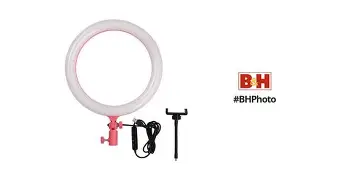
The control interface is usually located either on the cable or on the back of the ring itself. When setting up, it is recommended to start with the color temperature in the middle (approx. 4500K) and the brightness at 50%. From there, look at your camera's monitor and adjust the color temperature until your skin looks healthy and the white walls in your background don't look too blue or too yellow. Because the Lr120 is a continuous light source, you see exactly what you’re getting in real-time, which is a major advantage over traditional flash photography for beginners.
Conclusion
Switching to the Godox Lr120 typically marks a transition from "making do" with available light to taking intentional control over one's visual identity. The impact is often immediate: video calls look sharper, makeup colors appear more accurate, and the eyes take on a spark of life thanks to the circular catchlight. While it may not replace a three-point professional studio kit, it isn't meant to. Its purpose is to provide high-quality, color-accurate, and incredibly convenient lighting for the person who needs to look their best at a moment's notice.
The strengths of the Lr120 lie in its reliability and its thoughtful design. By focusing on essential features like high CRI ratings and bi-color adjustability, Godox has created a tool that respects the needs of the modern digital native. Whether it is for a high-stakes business presentation or a creative passion project, the Lr120 proves that you don't need a massive studio to achieve professional results. It is a testament to the fact that in the world of electronics, sometimes the most impactful upgrades are the ones that simply make us seen in the best possible light.