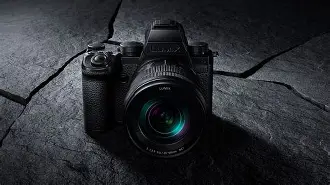
Lumix S5 Iix Specs, Features, and Value: Is it worth the price tag?
The Lumix S5 Iix arrives framed as a hybrid full-frame mirrorless aimed at creators who need serious video capability without sacrificing stills performance or portability. This article examines the camera’s core specifications and real-world features, explores the practical strengths and limitations that buyers typically care about, and provides a buying guide and side-by-side comparison to help determine whether the Lumix S5 Iix represents good value for specific kinds of photographers and videographers.
Introduction: Positioning and who this camera is for
The Lumix S5 Iix targets hybrid shooters, independent filmmakers, and content creators who want professional video tools in a compact, weather-sealed body. Panasonic has historically emphasized video, color science, and stabilization; the S5 Iix follows that lineage while aiming to be more approachable than bulkier cinema-style models. Buyers typically look at the S5 Iix when they want higher-end codecs, reliable in-body stabilization, and flexible ergonomics without stepping up to larger and heavier cinema cameras.
Key specifications and feature overview
Below is a concise outline of what the Lumix S5 Iix offers in terms of hardware and capabilities. These items reflect the camera’s intended value proposition: hybrid performance, video-first features, and a compact professional build.
- Sensor: Full-frame CMOS sensor optimized for hybrid use—balanced for stills resolution and video oversampling
- Image processor: Modern processing engine enabling high-quality noise reduction, color rendering, and advanced autofocus routines
- Autofocus: Hybrid AF system with subject and eye detection intended for both photo and video, with continuous AF for tracking moving subjects
- Image stabilization: In-body 5-axis stabilization designed to work with optical stabilization in lenses for strong handheld results
- Video capabilities: Professional-oriented codecs and frame rates, support for higher bit-depth internal recording, log profiles for grading, and external RAW or ProRes output options via HDMI
- Monitor and EVF: High-resolution electronic viewfinder and a vari-angle touchscreen for flexible framing and vlogging-friendly front-facing options
- Build and ergonomics: Compact weather-sealed magnesium alloy body with traditional Panasonic ergonomics, a full set of physical dials and customizable buttons
- Connectivity and ports: Microphone and headphone jacks, full-size HDMI, USB-C data/power, and dual memory card capability for overflow or simultaneous backup
- Battery and runtime: Battery life designed for day-long shoots with options for USB-C power delivery and external battery grips for extended sessions
Detailed product analysis: Real-world performance and features
Image quality and low-light performance
In practical use, the Lumix S5 Iix aims to deliver clean, usable files for both stills and video. Its sensor and processor prioritize a balance between resolution and noise control so that handheld low-light shooting remains practical. For photographers, this means detail retention at common print and web sizes while maintaining manageable noise at higher ISOs. Videographers benefit from oversampled 4K workflows—when present—yielding crisper footage than downscaled sensors can typically provide.
Buyers should evaluate samples for their typical shooting ISO ranges. Those who prioritize very large prints or extreme cropping may find higher-resolution alternatives more suitable; however, many hybrid shooters prefer the trade-off the S5 Iix makes in favor of video performance and dynamic range.
Autofocus and tracking
The camera’s AF system is designed to be dependable for everyday use: subject detection and eye/face tracking work well in many lighting conditions and are especially useful for run-and-gun shooters and solo creators. Continuous video AF is tuned for smooth transitions rather than rapid, aggressive changes—an advantage for cinematic footage but sometimes slower than the fastest AF implementations in still-focused competitors.
Professional sports or wildlife photographers who require blistering burst-AF performance and high frame-rate tracking may prefer specialized bodies from competitors, but for documentary, wedding, and event shooters the S5 Iix’s AF covers most practical needs.
Stabilization and handheld video
One of the S5 Iix’s most compelling real-world features is its stabilization. In-body stabilization (IBIS) paired with lens optical stabilization makes handheld 4K footage viable for many creators. This reduces the need to carry gimbals or complex rigs for everyday shooting and accelerates run-and-gun workflows for interviews, travel, and documentary-style productions.
For the best results, pairing stabilized lenses and enabling combined stabilization modes will provide the smoothest motion. Users who shoot fast-paced action or require absolute stillness for telephoto work should still consider gimbals or tripods in their toolkit.
Video workflows and codec flexibility
Panasonic equips the S5 Iix with a suite of video options geared toward creators who want professional-grade files without immediate external recorders. Expect internal high-bit-depth recording, multiple log profiles for grading, and the ability to output high-quality signals over HDMI to external recorders for ProRes RAW or other RAW-capable workflows. These options matter for creators who intend to do color grading or who need to match footage with larger cinema cameras.
Discover deals on Electronics — updated daily.
Browse Now →Practical considerations include file sizes, heat management in long takes, and the need for fast media cards. The dual-card configuration gives flexibility for long-form shoots and immediate backups—useful for run-and-gun journalists and wedding shooters who cannot risk losing footage.
Ergonomics, build quality, and usability
The S5 Iix’s compact form factor makes it comfortable for handheld use and travel. Weather sealing allows shooting in inclement conditions, while the vari-angle screen is particularly useful for vloggers and solo interview setups. Physical controls remain a strength: tactile dials and customizable buttons let users change settings quickly without deep menu diving.
For creators who prefer the feel of a larger camera, the S5 Iix’s smaller size may be a pro or con depending on personal preference. Add-on accessories like grips and cages can change the handling for users who need more robust ergonomics during long shoots.
Battery life and field use
Battery life is solid for hybrid mirrorless cameras but still requires planning on full-day shoots, particularly when recording high-resolution video. USB-C power delivery and optional battery grips or power banks mitigate runtime concerns for video shoots. Photographers who focus mostly on stills will typically see longer usable time between charges.
Pros & Cons
- Pros:
- Balanced hybrid performance for stills and cinema-ready video
- Strong in-body stabilization that expands handheld shooting options
- Flexible video codecs and log profiles suitable for color grading
- Compact, weather-sealed body with well-laid-out physical controls
- Dual-card slots for redundancy or overflow recording
- Cons:
- Autofocus, while reliable, may not match the absolute tracking speed of some competitors in extreme action scenarios
- Battery life can be taxed during heavy video use—requires backup power for long shoots
- Those who need maximum stills resolution for large prints may prefer higher-megapixel alternatives
- Advanced video workflows can produce very large files and demand fast, expensive media
Comparison: How the Lumix S5 Iix stacks up
Below is a compact comparison table highlighting how the S5 Iix compares to typical competitors in the same hybrid category. This table is intended to guide buyers on relative strengths rather than present exhaustive technical data.
| Category | Lumix S5 Iix | Common Competitor A (e.g., Sony A7-series hybrid) | Common Competitor B (e.g., Canon R-series hybrid) |
|---|---|---|---|
| Sensor | Full-frame optimized for hybrid use (balanced resolution and video oversampling) | Often higher-resolution stills sensors or similar hybrid balance | Often optimized for color and stills speed with strong AF |
| Video features | Professional codecs, internal 10-bit options, log profiles, HDMI RAW output | Strong video features in higher-priced models; sometimes fewer native log options | Excellent video and color science; integrated Canon ecosystem tools |
| Stabilization | Robust IBIS + lens stabilization cooperation | Top-tier IBIS in many models; performance varies by generation | Strong IBIS on recent bodies; often comparable |
| Autofocus | Reliable hybrid AF with practical tracking for most shooters | Often fastest continuous AF tracking in the market | Very strong AF with excellent subject recognition |
| Ergonomics | Compact, well-built, weather-sealed; vari-angle screen | Varies—some prefer Sony grip; generally compact | Ergonomics often praised; slightly larger bodies in some models |
| Value | Competitive for creators seeking video-first hybrid at a modest weight | Value varies widely; premium features can raise prices | Strong value in bodies that emphasize both stills and video |
Real-world use cases and who should consider the Lumix S5 Iix
The S5 Iix is particularly well-suited to several common buyer profiles:
- Solo content creators and vloggers: The vari-angle screen, reliable AF, and compact build make it a strong portable kit. Color grading flexibility and high-quality internal codecs help produce polished content without elaborate setups.
- Independent filmmakers and documentary crews: Flexible video codecs, log profiles, internal 10-bit recording, and HDMI RAW output provide a professional workflow in a small package that is easy to carry for long shoots.
- Wedding and event shooters: The hybrid strengths—good low-light handling, solid AF for mixed photo/video coverage, and strong stabilization—make it a practical choice for photographers who must also capture high-quality video.
- Travel and street photographers: Compact form factor and weather sealing suit those who value portability and protection when shooting on the go.
Buying guide: What to look for and recommended considerations
When considering the Lumix S5 Iix, buyers should assess needs across several domains. The following guide helps focus the decision on workflow, lenses, and cost of ownership.
1. Define primary use: photo vs. video
If most of the work is stills-focused—especially large prints or fast-paced sports—a camera with higher resolution or faster continuous AF might be preferable. If video is a core requirement, the S5 Iix’s codec support, log profiles, and HDMI output make it compelling. Buyers who need strong performance in both domains will find the S5 Iix appealing as a hybrid compromise.
2. Lens ecosystem and investment
Assess lens availability for the L-mount. Lens choice affects image quality, stabilization performance, and overall system weight. An initial kit might include a fast standard zoom and a stabilized telephoto or prime depending on shooting needs. Factor in third-party lens options and whether adapters are needed for legacy glass.
Find top-rated Electronics products at great prices.
See Deals →3. Stabilization needs
Test handheld stabilization with the lenses intended for regular use. For run-and-gun filmmaking, the combined IBIS and optical stabilization can reduce reliance on gimbals—potentially saving weight and cost. For precision work or long telephoto lenses, additional stabilization supports remain useful.
4. Media and storage
High-bitrate internal recordings and RAW output require high-performance memory cards and substantial storage. Budget for fast cards and external drives if shooting high-frame-rate or long-form projects. Dual-card slots can be configured for overflow or redundant backups—valuable in professional workflows.
5. Power and runtime
Plan battery logistics for video-heavy days. Consider spare batteries, an external battery pack, or a grip for extended shooting. USB-C power delivery makes in-field charging easier for tabletop or static interviews.
6. Post-production workflow
Factor in the time and compute resources required for color grading and handling large files. The camera’s flexibility with log profiles and higher-bit-depth codecs pays dividends if the post pipeline and team can take advantage of it.
Price and value assessment
Value is subjective but can be broken down objectively: what the camera provides versus what buyers will use. For creators who will make use of the S5 Iix’s video codecs, stabilization, and ergonomic compactness, the camera offers strong value because it reduces the need for additional equipment while delivering professional-quality files. Those who only require basic video or prioritize the highest possible stills resolution might find better value elsewhere.
When comparing price to alternatives, the S5 Iix is most compelling for buyers who want a balance of portability and pro-level video features without paying the premium for larger cinema cameras. Total system cost should include lenses, media, batteries, and potential stabilization accessories when evaluating true value.
Conclusion
The Lumix S5 Iix is a persuasive option for creators who need a compact, weather-sealed hybrid that leans into video capabilities while remaining very capable for stills. Its strengths—reliable stabilization, flexible video codecs and profiles, thoughtful ergonomics, and a hybrid sensor approach—make it particularly attractive for solo creators, independent filmmakers, wedding/event shooters, and travel photographers. Prospective buyers should weigh autofocus and resolution priorities against the S5 Iix’s advantages in stabilization and video workflow, and factor in lenses, media, and power for a complete assessment of value.
In short, the S5 Iix is worth the price tag for users who will actively leverage its video-centric strengths and appreciate the portability of a pro-capable full-frame hybrid. Those whose needs are strictly stills-focused or who require the fastest possible AF for extreme-action photography should compare alternatives to ensure the best match for their priorities.